September 10, 2026
Homeowners often watch in awe as an experienced crew takes down a massive oak or a towering pine in what seems like the blink of an eye. You might look out your window, sip your morning coffee, and think the job was simple, straightforward, and incredibly quick. It is exceptionally easy to assume that all it takes to bring down heavy timber is a sharp chainsaw, a sturdy ladder, and a bit of elbow grease. However, the reality of tree removal is vastly different from what it appears to be from the safety of the ground. Behind every swift and efficient job is a mountain of preparation, rigorous safety protocols, and calculated risk management.
We pride ourselves on our efficiency, but we never compromise on safety. The speed of a successfully completed job is merely the end result of meticulous planning and highly trained arborists executing their duties perfectly. Before a single chainsaw is even fired up, an intricate dance of safety measures has already taken place on your property. This comprehensive guide will walk you through the invisible, behind-the-scenes safety steps that make highly dangerous arboriculture work look effortlessly fast and surprisingly simple to the untrained eye.
Assessing the Hidden Risks
When our tree care professionals arrive at your property, the very first step isn't grabbing the heaviest equipment or immediately revving up engines; it is conducting a comprehensive, deeply analytical site assessment. A tree is a heavy, unpredictable living organism, and understanding its structural integrity is absolutely paramount before any physical work can safely begin. We look closely for subtle signs of internal decay, hollow cavities, severe insect infestations, root rot, and dead or hanging branches known in the industry as "widow-makers." These hidden weaknesses strictly dictate how the wood will react once the cutting actually begins.
Furthermore, we must thoroughly evaluate the surrounding environment. Are there high-voltage power lines weaving dangerously through the canopy? How close is the main trunk to your roof, your neighbor's delicate vinyl fence, or underground utility lines? A successful tree removal requires us to map out every single variable with mathematical precision. We use tools like sounding mallets to check for hollow trunks and binoculars to inspect the upper canopy. We determine the natural lean of the trunk, current wind direction and speed, and the overall weight distribution of the limbs. What looks to you like a crew just standing around looking at branches is actually a highly technical diagnostic session designed to prevent catastrophic property damage or severe personal injury.
Establishing the Safe Zone
Once the physical condition of the wood is thoroughly evaluated and understood, the next crucial, highly invisible step is creating a strictly controlled drop zone. Gravity is an unforgiving force, and a miscalculated drop can lead to disastrous, life-altering consequences. Our experienced crews meticulously calculate the precise trajectory of every falling limb and the main trunk itself. We establish a rigid safety perimeter that keeps homeowners, curious neighbors, pets, pedestrians, and even our own ground crew entirely out of harm's way.
This drop zone is not static; it is constantly monitored and actively adjusted as the canopy shape changes and shrinks during the operation. We also take the time to lay down heavy-duty ground protection where necessary to ensure that falling limbs do not dent your pristine lawn, crack delicate hardscaping, or shatter your concrete driveway. We carefully factor in the bounce and roll of cylindrical logs, ensuring they settle exactly where we intend them to. It is this intense, uncompromising focus on spatial awareness and ground control that makes the actual tree removal process proceed so rapidly once the physical labor begins. The safety zone acts as the invisible shield protecting your home, your family, and our dedicated team.
Securing the Rigging Equipment
For mature, sprawling specimens, simply dropping the entire structure from the base is rarely an option in confined residential areas. This brings us to the incredibly complex art of arboricultural rigging. Rigging involves using a sophisticated, highly engineered network of specialized ropes, steel pulleys, friction devices, and heavy-duty blocks to lower heavy limbs in a controlled, deliberate, and gentle manner.
Before a climber even leaves the ground to begin their ascent, the entire rigging system is planned out mathematically. The climber must safely ascend the trunk, tie themselves in using advanced climbing harnesses, and carefully secure the rigging lines to strategic anchor points high up in the canopy. The ground crew simultaneously operates the friction devices, communicating continuously via wireless headsets to ensure perfect synchronization. This intricate web of ropes absorbs the massive kinetic energy of falling timber — which can easily weigh thousands of pounds — preventing it from swinging unpredictably into your living room window. While you might only see a heavy branch gracefully floating to the earth, you are actually witnessing the culmination of intense physics and heavy-duty engineering designed to make the tree removal as safe as humanly possible.
Executing the Precision Cuts
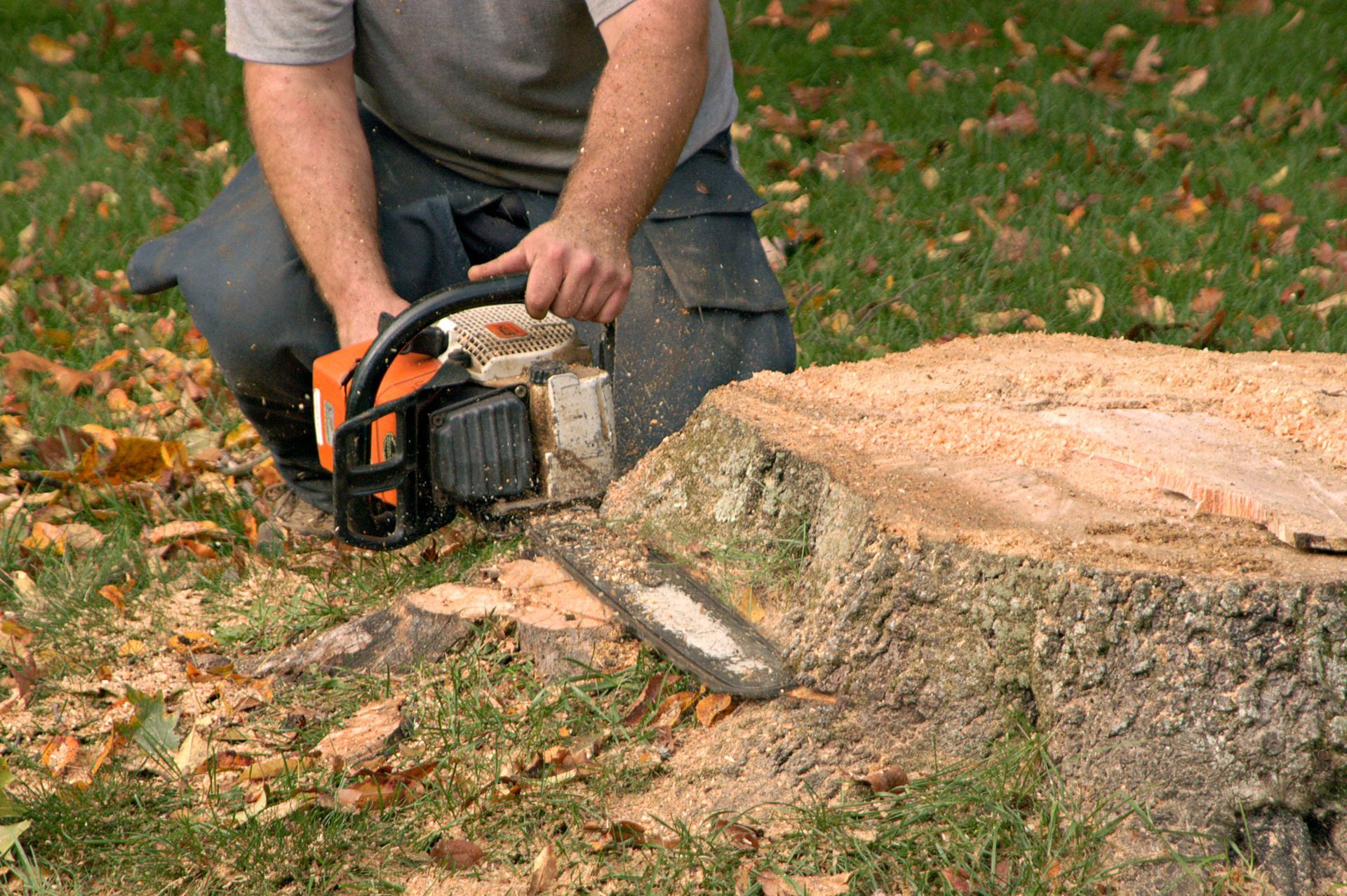
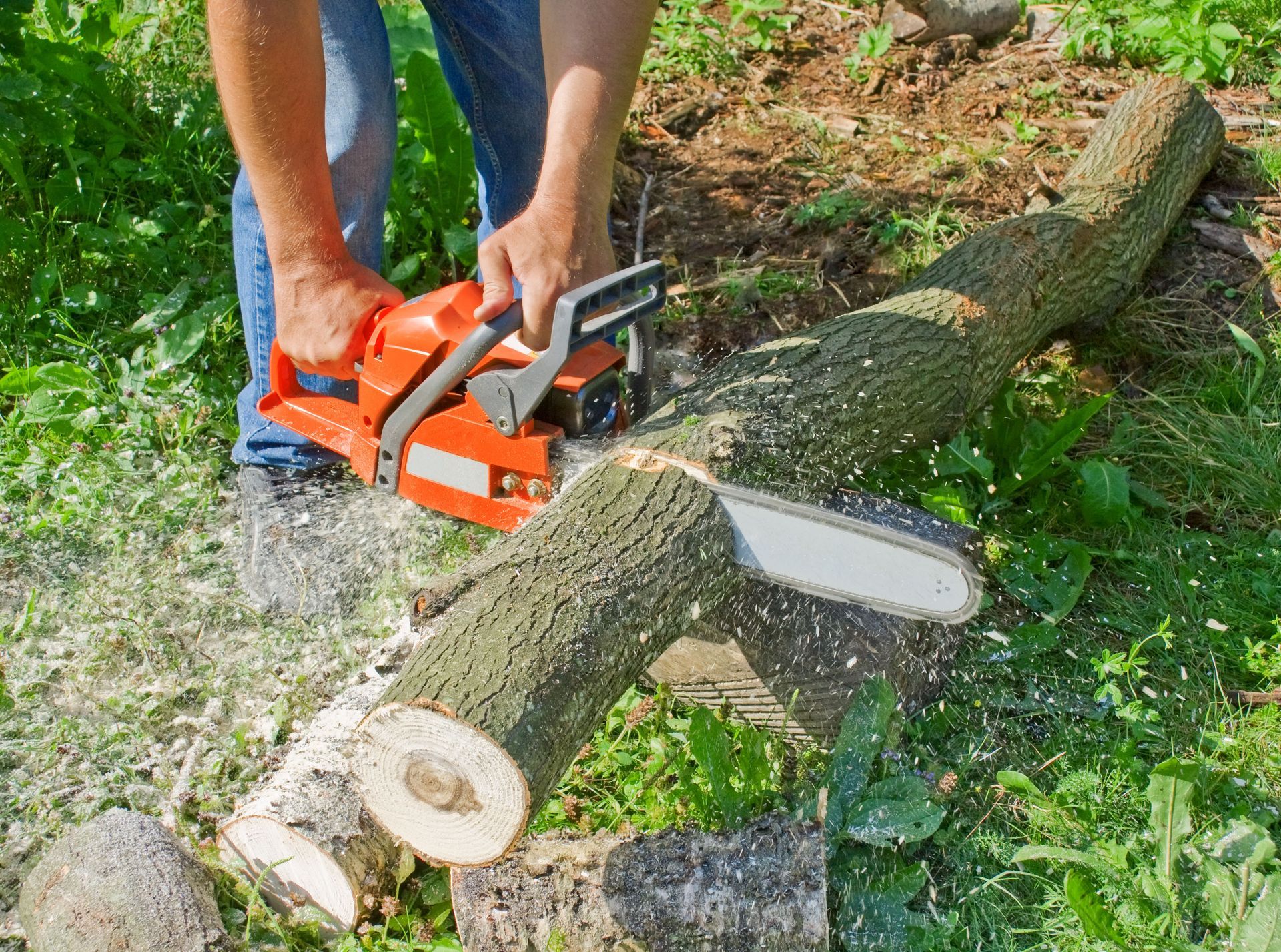
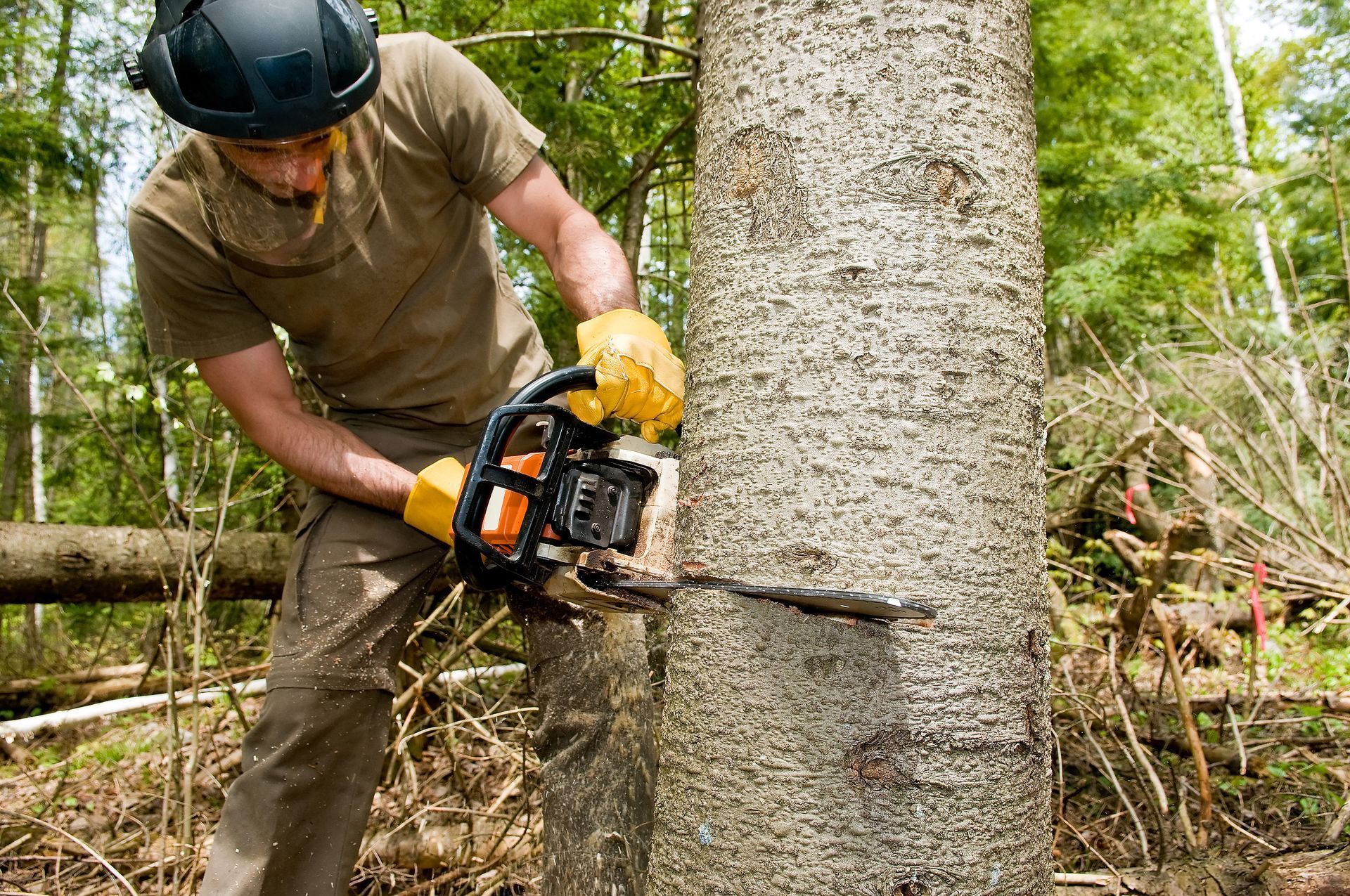
With the assessment complete, the drop zone secured, and the complex rigging flawlessly installed, the actual cutting finally begins. Even this highly visible step requires immense patience, deep knowledge of wood fiber dynamics, and calculated precision. Arborists use specific types of cuts — like the open-face notch, the bore cut, or the snap cut — to dictate exactly how, where, and when the wood will detach from the main structure. There is absolutely no wild hacking or guessing involved; every single slice of the chainsaw is purposeful and scientifically applied to utilize the "hinge wood" to safely guide the falling piece.
Interestingly, the time it takes to complete these cuts can fluctuate dramatically depending on the specific scenario. According to This Old House, removing a tree can take between 15 minutes and several hours, based on its size and type. A small, dead pine sapling in an open field might take mere minutes to fell safely, while a colossal, multi-stemmed oak leaning precariously over a glass conservatory demands several hours of careful, methodical piecing apart. Regardless of the overall duration, executing these precision cuts is the most critical phase of the tree removal operation, requiring unwavering mental focus, peak physical endurance, and absolute mastery of heavy cutting equipment.
Managing the Final Cleanup
The complex job does not end when the last section of the main trunk finally hits the ground. The final, often overlooked safety step is the comprehensive cleanup and debris management phase. A work site littered with heavy, rolling logs, sharp, jagged branches, and dense piles of slippery sawdust is a significant trip hazard and a major liability. Safety protocols must be stringently maintained all the way through to the final sweep of the yard.
Our team systematically processes the resulting debris, safely feeding hazardous branches into powerful, roaring wood chippers and loading heavy, dense logs onto specialized hauling trucks using mechanized loaders. We ensure that the ground is meticulously raked clean and that no hidden tripping hazards remain hidden in your yard grass. Proper, deep stump grinding may also be implemented to ensure the ground is perfectly level and ready for new landscaping. This thorough, exhausting attention to detail ensures that once the tree removal is officially completed, your property is instantly safe for your family and pets to enjoy once again. The speed of our final departure is entirely reliant on our rigorous, ongoing cleanup process that happens simultaneously throughout the entire day.
Choosing the Right Professionals
Fast and efficient service is undoubtedly a wonderful benefit for any homeowner, but it should absolutely never come at the expense of safety, property protection, or thoroughness. The crucial steps you don't always see — the strategic, analytical planning, the complex physics of rope rigging, the intense focus on spatial awareness, and the rigorous site cleanup — are exactly what guarantee a successful, damage-free outcome.
Reach out to our dedicated arboriculture team at Kono Tree Care today to schedule your comprehensive consultation, and experience firsthand how a deeply safe tree removal translates into the most efficient, professional, and stress-free service possible for your home.