October 12, 2026
Maintaining vibrant, flourishing landscapes requires regular attention to the living canopy overhead. Trees add beauty, natural shade, and ecological balance to residential and commercial properties. However, like any living organism, growing trees face biological threats, environmental stressors, and physical vulnerabilities over time. When health issues arise, recognizing early warning signs allows property owners to intervene before minor complications escalate into permanent structural damage or complete tree decline. Partnering with a professional tree service ensures that subtle symptoms are identified early and treated with targeted methods. Professional arborists bring extensive knowledge and proven care strategies to every assessment, protecting neighborhood greenery.
Navigating tree maintenance can seem complex due to the variety of potential health challenges. Fungal diseases, insect infestations, soil compaction, and severe weather damage represent common obstacles that compromise canopy health. A dedicated tree service evaluates the unique growing conditions of each property, analyzing soil composition, moisture retention, sunlight exposure, and seasonal growth patterns. By taking a holistic approach to arboreal care, experienced specialists create customized maintenance plans that strengthen immune responses and restore physiological balance. Understanding common health problems affecting local landscapes empowers property owners to take proactive steps in safeguarding their greenery.
Recognizing symptoms associated with arboreal distress is essential for timely intervention. Whether observing foliage discoloration, premature leaf drop, fungal growth around trunk bases, or cracking along major limbs, early detection improves treatment outcomes. Engaging an experienced tree service provides homeowners with reliable solutions designed to mitigate disease spread, eradicate destructive pests, and improve overall structural integrity. Exploring how trained professionals address prevailing health challenges highlights the benefits of professional care in preserving landscape vitality.
Identifying Fungal Infections and Leaf Blight
Fungal pathogens represent a widespread threat to canopy health, impacting foliage, bark, and internal vascular systems. Spores often thrive in humid weather, spreading rapidly through wind, rain splatter, and contaminated equipment. Fungal diseases cause visible foliage damage, resulting in discolored patches, curling leaves, and premature defoliation during peak growing seasons. When fungal infections persist unaddressed, weakened trees lose their ability to synthesize energy efficiently through photosynthesis, leaving them vulnerable to secondary infections.
Addressing persistent fungal issues requires a multi-faceted approach that goes beyond basic visual inspection. A knowledgeable tree service identifies the precise fungal strain affecting the canopy and applies targeted fungicide treatments designed to suppress spore germination. In addition to chemical intervention, specialists implement cultural practices that limit moisture accumulation on leaves. Thinning dense inner branches improves airflow throughout the canopy, allowing sunlight to penetrate deep into inner foliage and dry excess moisture quickly after rainstorms.
Preventative care plays a critical role in managing fungal outbreaks over multiple seasons. Sanitizing pruning tools between uses prevents cross-contamination, while removing fallen, infected leaf litter eliminates overwintering sites for fungal spores. By combining professional treatments with meticulous sanitation routines, arborists help properties establish resilient, disease-resistant canopies that withstand seasonal moisture challenges.
Addressing Pest Infestations and Wood Borers
Insect pests pose a severe threat to structural health and metabolic function, often causing rapid decline if left unchecked. Sap-sucking insects drain essential fluids from foliage, resulting in yellowing leaves and stunted growth. Meanwhile, destructive wood-boring beetles and caterpillars burrow deep beneath the outer bark, disrupting internal vascular tissues that transport water and vital nutrients throughout the trunk and main branches.
Detecting insect activity early requires careful monitoring for subtle physical clues. Fine wood dust around trunk bases, small exit holes along major branches, sticky honeydew residues on lower leaves, and thinning upper foliage all signal active pest infestations. A specialized tree service conducts comprehensive pest evaluations to determine the extent of infestation and select appropriate, environmentally responsible control measures. Micro-trunk injections, soil drenches, and topical treatments target specific pests while minimizing impacts on beneficial pollinators.
Systemic treatments offer long-lasting protection by being absorbed directly into vascular pathways, providing ongoing defense against burrowing insects. Arborists also evaluate surrounding environmental factors that render trees vulnerable to pest attacks, such as drought stress or nutrient deficiencies. Re-establishing optimal physiological health enables trees to produce natural chemical defenses, creating a stronger natural barrier against future insect invasions.
Correcting Structural Weaknesses and Hazardous Branches
Physical hazards and structural defects pose immediate risks to property safety and long-term tree stability. Internal decay and overgrown canopies create mechanical instability, increasing the likelihood of sudden branch failure during severe storms. Poor structural architecture often develops during early growth phases when saplings lack proper guidance and corrective pruning.
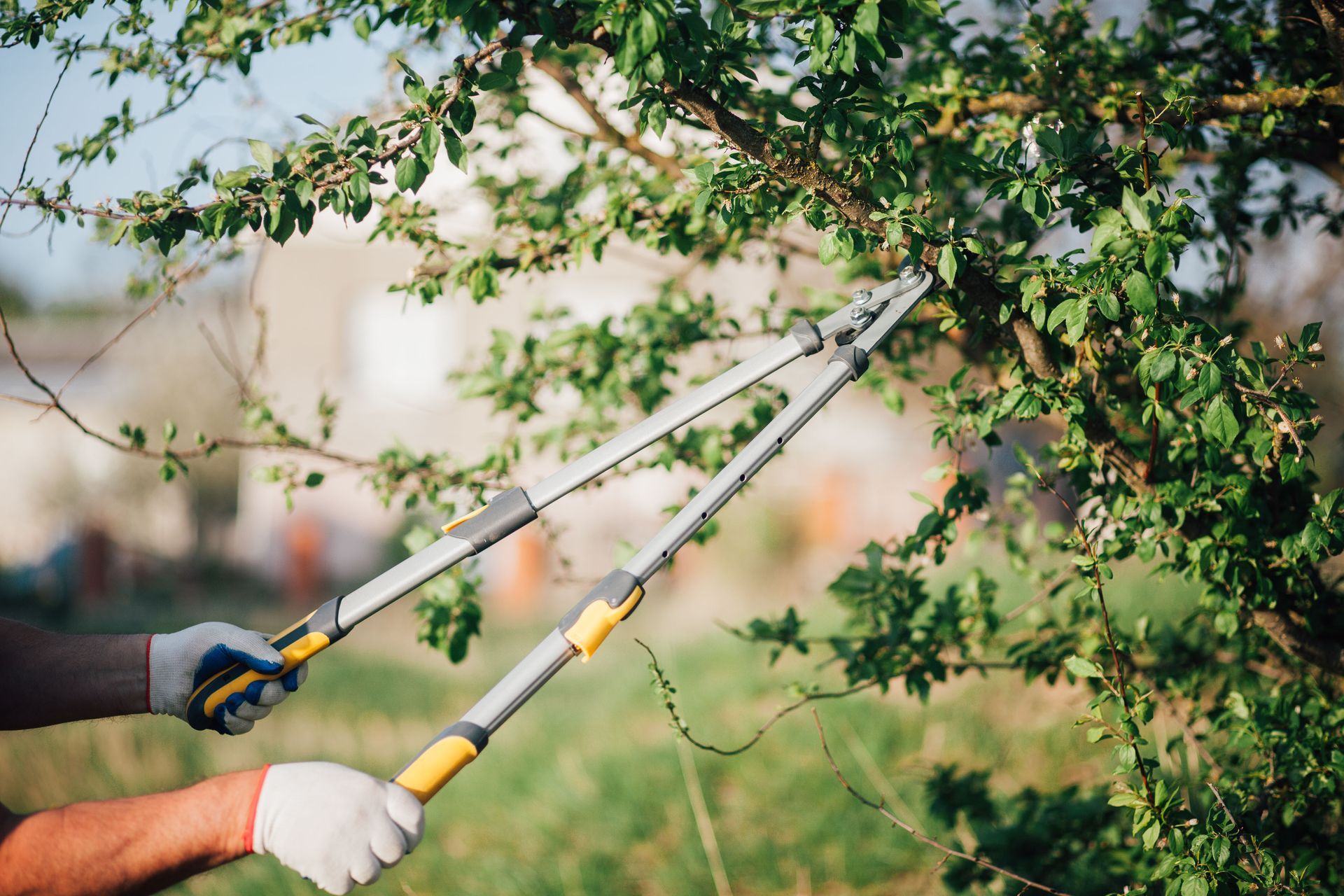
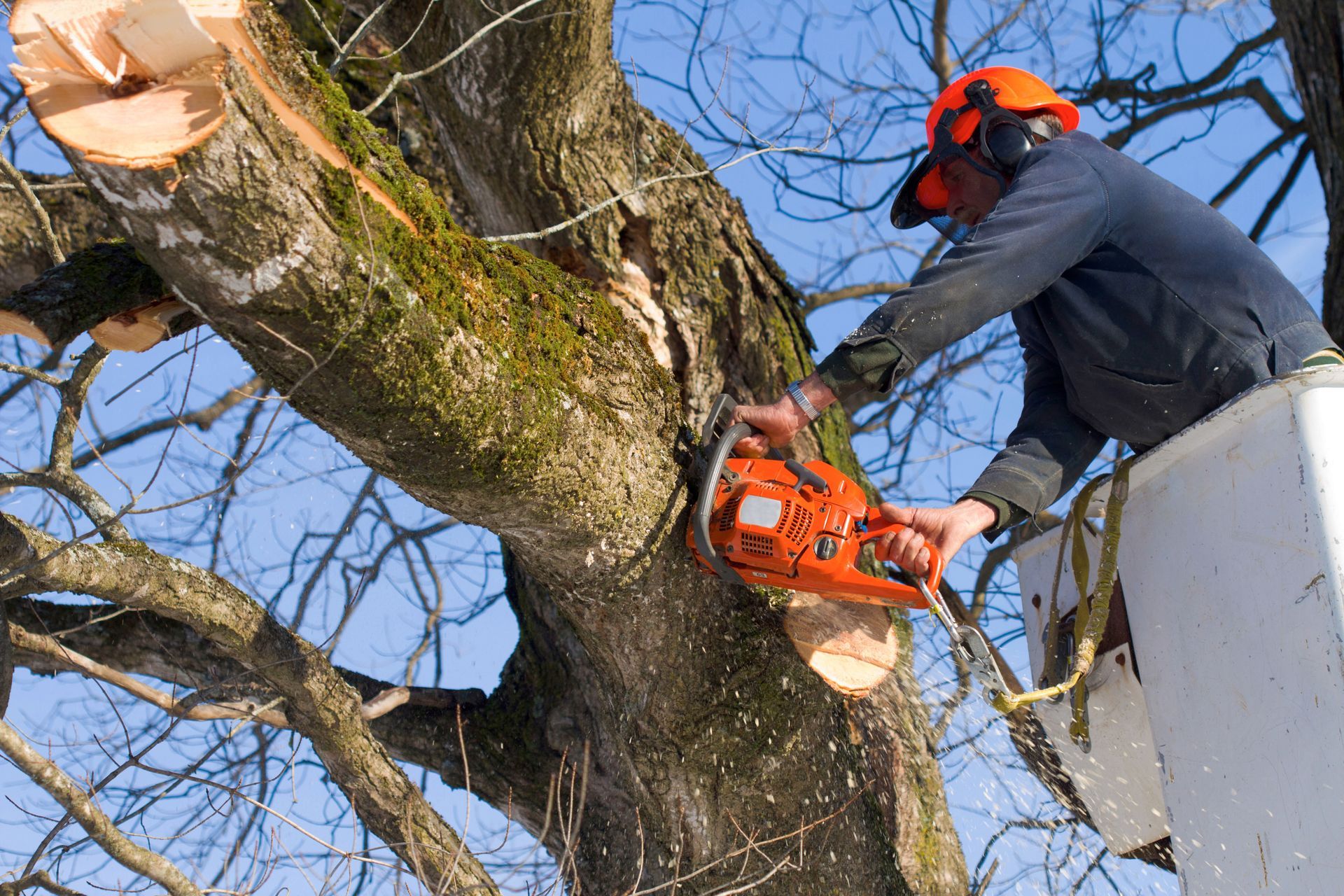
Proper pruning techniques restore physical balance while eliminating hazardous growth before structural failure occurs. According to the University of Nebraska Extension, hand pruners should only be utilized on branches measuring up to ¾ inch in diameter, as thicker growth demands specialized equipment or professional intervention. Attempting to remove larger limbs with inadequate tools risks tearing outer bark, creating jagged wounds that invite decay organisms and insect pests. Professional crews utilize heavy-duty saws, rigging systems, and elevated work platforms to safely remove heavy, dangerous branches without damaging surrounding property.
For trees possessing structural weaknesses that cannot be pruned away safely, arborists install flexible cabling and bracing systems. Structural support hardware stabilizes co-dominant trunks and heavy lateral branches, redistributing mechanical loads and reducing physical stress during severe weather events. Combining strategic canopy thinning with structural reinforcement protects property while extending the safe working life of mature landscape specimens.
Treating Nutrient Deficiencies and Soil Compaction
Subterranean conditions play a decisive role in determining above-ground vigor, as healthy root systems require oxygen, organic matter, and balanced soil chemistry. Urban and suburban soils frequently suffer from heavy compaction caused by foot traffic, lawn equipment, and construction activities. Compacted soil restricts root expansion, limits oxygen movement, and reduces water infiltration, causing chronic stress that manifests as dieback in upper canopy branches.
Remediating root-zone compaction requires specialized techniques that restore vital pore space within the soil matrix. A professional tree service utilizes deep-root aeration equipment and air-spading technology to loosen dense soil around root zones without damaging delicate feeder roots. Introducing organic soil amendments, compost mixtures, and beneficial mycorrhizal fungi during aeration enhances soil structure, encouraging vigorous root proliferation.
Nutrient deficiencies cause distinct foliage discoloration, including pale yellowing between leaf veins. Deep-root fertilization injects liquid nutrients directly into the active root zone, bypassing turf grass and delivering essential minerals where roots absorb them best. Restoring balanced soil fertility revitalizes weakened trees, promoting lush foliage production and robust natural defenses against disease.
Managing Root Rot and Moisture Imbalances
Root health directly governs overall tree stability, yet root diseases often remain hidden beneath the soil surface until advanced canopy symptoms emerge. Poor soil drainage, overwatering, and standing surface water create anaerobic soil conditions that favor destructive fungal pathogens responsible for root decay. As root systems decompose, trees lose their ability to absorb water efficiently, exhibiting symptoms similar to drought stress, including wilting, leaf scorch, and canopy dieback.
Diagnosing subsurface root issues requires expert evaluation of site drainage, planting depth, and root collar conditions. Arborists inspect the root flare to ensure soil and mulch are not buried against outer bark, which creates trapped moisture zones conducive to fungal infection. Addressing complex health challenges requires specialized knowledge, proper equipment, and a commitment to proactive care. By working with experienced professionals who understand local environmental conditions, property owners can protect canopy beauty, enhance safety, and extend the life of their trees.
If you are ready for healthier canopy growth and vibrant landscaping, contact our tree service at Kono Tree Care today. We will help you maintain beautiful, robust trees throughout every season.