September 11, 2026
Severe weather, unexpected structural shifting, subterranean root decay, and sudden mechanical failures present constant hazards to residential landscapes, urban forests, and commercial properties. While property owners often view mature timber as stable, permanent fixtures, environmental stress factors can suddenly transform massive branches and aging trunks into severe physical hazards. Heavy ice accumulations, high wind gusts, torrential downpours, and lightning strikes can snap thick limbs, uproot mature specimens, or cause hazardous leans toward rooflines and overhead power infrastructure. Navigating unpredictable arboricultural emergencies without specialized equipment and trade experience exposes property owners to severe personal injury, structural destruction, and utility disruptions. According to Simple Spring, emergency tree services and stump removal make up about 24% of tree removal business. Managing sudden arboricultural hazards requires rapid emergency response protocols, rigorous safety standards, advanced rigging machinery, and deep biological expertise. Understanding how certified specialists navigate unpredictable field emergencies clarifies the essential role professional property care plays in preserving suburban safety, environmental health, and structural integrity. Partnering with accredited specialists transforms chaotic storm damage into an organized, safely managed recovery process, restoring physical security and protecting property values across every season. Taking proactive steps before severe weather arrives minimizes structural damage risks and ensures that your landscape remains resilient across every season.
Managing Sudden Storm Damage and Hazardous Obstructions
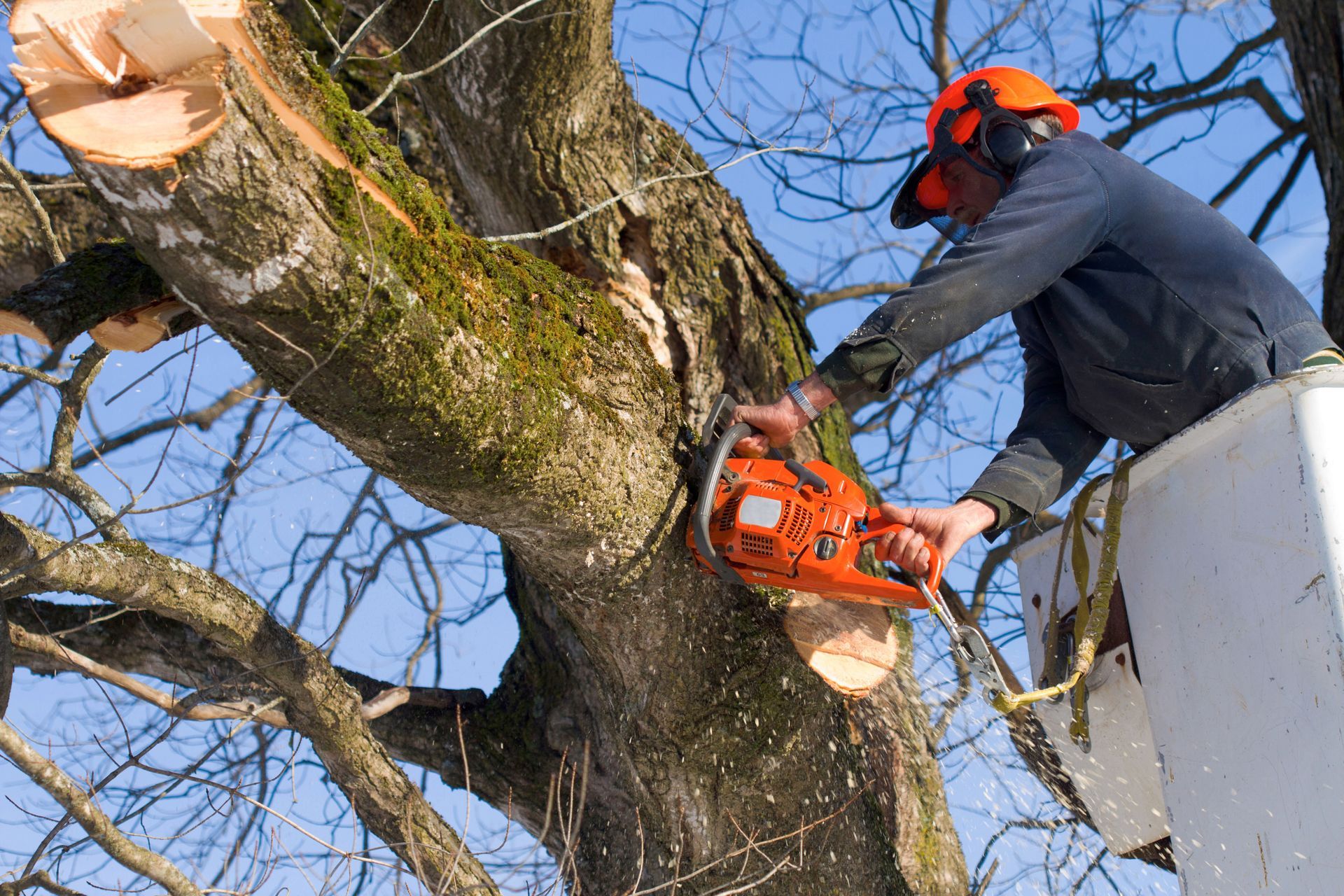
Severe weather events often leave behind extensive property devastation, scattering heavy timber across driveways, damaging residential roofs, and entangling power lines. When high wind gusts or heavy ice accumulations cause massive branches to fail, immediate intervention becomes necessary to restore access and secure property boundaries. Professional tree services dispatch certified arborists and emergency response crews equipped with heavy-duty chainsaws, mobile cranes, and hydraulic chippers to clear hazardous debris quickly. Emergency specialists assess structural stability before making critical cuts, ensuring that fallen trunks do not shift unpredictably and cause secondary damage to homes or utility lines. Furthermore, emergency crews establish secure perimeter zones, keeping property owners and pedestrians safely clear of active work areas. Utilizing precision rigging techniques allows arborists to lift heavy timber away from damaged roofs and delicate structures without causing further physical impact. Rapid emergency response clears blocked access roads, secures compromised structures, and restores order to storm-battered landscapes safely and efficiently. Specialized crane equipment lifts massive logs over house roofs without contacting shingles. Rapid debris clearance eliminates safety hazards and clears the way for restoration crews.
Mitigating Overhead Power Line Entanglements and Utility Risks
Trees growing in close proximity to municipal power lines or residential electrical service drops pose severe electrocution risks, fire hazards, and widespread power outage threats during storms. High winds can force heavy branches into high-voltage lines, creating intense electrical arcs or bringing down energized cables onto saturated ground. Attempting to trim or clear branches near live electrical infrastructure without specialized training and insulated equipment can prove fatal. Accredited tree services maintain close working relationships with regional utility providers and employ certified line-clearance arborists trained specifically in electrical safety protocols. Specialized crews utilize insulated aerial lifts, non-conductive fiberglass pole saws, and specialized rigging ropes to remove entangled limbs safely without interrupting power grids. Furthermore, professional specialists perform proactive utility clearance trimming, preventing limbs from encroaching on power corridors before severe storms strike. Safe utility management eliminates dangerous electrical hazards, protects public infrastructure, and ensures continuous power delivery to local communities. Specialized rubber-tracked bucket lifts allow arborists to access tight utility corridors without compacting soil. Maintaining safe clearances preserves electrical grid reliability.
Identifying Subterranean Decay and Structural Instability
Subterranean root rot, fungal infections, and hollow trunk cavities often develop silently, undermining structural stability while the canopy appears deceptively healthy. Internal decay weakens wood fibers, rendering massive trees vulnerable to sudden structural failure during moderate windstorms or heavy rain events. Identifying hidden biological weakness requires advanced diagnostic techniques capable of evaluating wood density below the bark layer without harming living tissues. Experienced tree services utilize acoustic tomography, micro-resistance drilling, and soil excavation tools to detect internal decay patterns and assess root plate stability. Uncovering severe structural compromise allows certified arborists to recommend targeted stabilization measures or controlled removal before catastrophic failure occurs. Furthermore, evaluating soil compaction and root health helps specialists implement soil aeration, deep-root fertilization, or mycorrhizal inoculations to restore biological vigor. Early biological detection prevents unexpected structural collapse, protecting residential structures and preserving valuable canopy cover. Advanced sonic tomography generates detailed cross-sectional images of internal trunk cavities, revealing hidden hollows before structural integrity fails. Early biological detection preserves mature canopy cover and protects property values.
Deploying Precision Rigging in Confined Urban Spaces
Removing compromised timber located in tight suburban backyards, narrow alleyways, or near glass sunrooms requires extreme precision and specialized mechanical rigging systems. Conventional felling methods are impossible in confined spaces where falling limbs could crush adjacent structures, ornamental gardens, or neighboring properties. Skilled tree services employ advanced rigging mechanics, utilizing friction brakes, high-tensile synthetic ropes, heavy-duty pulleys, and mobile cranes to lower massive wood sections safely. Certified climbers secure rigging anchor points high in the canopy, meticulously calculating branch weights and load distribution before making controlled relief cuts. Ground crews operate lowering devices with mathematical precision, guiding heavy wood sections safely past delicate rooflines, patio enclosures, and utility meters. Utilizing technical rigging systems eliminates physical damage risks, allowing arborists to dismantle massive, hazardous specimens safely within densely populated urban environments. High-friction rigging bollards allow ground crew members to hold heavy logs effortlessly using mechanical advantage. Precision rigging techniques guarantee complete control over heavy wood sections.
Executing Controlled Removals of Leaning and Uprooted Trunks
Uprooted specimens and heavily leaning trunks present extreme dynamic stress risks, as tension and compression forces within the wood become highly unpredictable. Cutting into a twisted or partially uprooted trunk without understanding internal tension can cause the wood to split violently, striking workers or launching heavy debris across job sites. Credentialed tree services send experienced rigging specialists to analyze internal tension and compression zones across compromised timber before initiating cuts. Specialists utilize heavy winches, mechanical come-a-longs, and excavator booms to stabilize shifting trunks before relieving internal wood pressure with strategic relief cuts. Controlling dynamic wood forces prevents dangerous chainsaw kickback and ensures that heavy logs roll safely away from structures during removal operations. Professional handling of structurally compromised timber eliminates chaotic movement risks, protecting field crews, bystander safety, and surrounding property infrastructure. Heavy-duty hydraulic winches anchor unstable root balls during cutting operations, preventing sudden shifts when heavy top weight is removed. Professional tension management keeps field crews safe and ensures controlled wood removal.
Navigating unexpected arboricultural emergencies demands specialized technical expertise, advanced mechanical equipment, rigorous safety protocols, and deep biological knowledge. Managing storm devastation, utility line entanglements, subterranean root decay, tight-space rigging operations, dynamic trunk tension, and long-term canopy recovery preserves property safety, protects structural investments, and maintains urban forestry health. Partnering with accredited trade professionals eliminates personal safety risks, prevents secondary property damage, and ensures rapid, organized recovery when environmental emergencies strike. Investing in proactive canopy management and professional emergency response safeguards your real estate equity, protects public safety, and preserves landscape beauty across every season.
At Kono Tree Care, our dedicated team brings deep technical expertise, state-of-the-art rigging machinery, and an unwavering commitment to safety on every emergency response and routine canopy project we manage, ensuring your property remains secure, healthy, and pristine through every environmental challenge. Contact us today to schedule your comprehensive site evaluation and discover how professional canopy care safeguards your landscape investment.