November 13, 2026
Understanding the delicate balance between overhead utility lines and urban trees is essential for maintaining community safety, property values, and reliable electrical infrastructure. Trees provide vital canopy cover and visual appeal to residential properties, but their proximity to energized lines presents serious hazards when left unmanaged. Property owners often struggle to balance ecological stewardship with electrical safety, particularly during severe storms or active growing seasons. Navigating these overlapping responsibilities requires specialized knowledge, proper clearances, and ongoing cooperation between residents, power providers, and certified arborists. Knowing when and how to engage an experienced tree removal service ensures that dangerous branches are addressed before electrical emergencies disrupt daily life and compromise property integrity.
Understand the Environmental Value of Urban Trees
Trees form the backbone of sustainable neighborhoods by enhancing air quality, offering cooling shade, and mitigating stormwater runoff across residential areas. Healthy mature trees capture carbon dioxide, produce oxygen, and cool urban heat islands, making outdoor spaces pleasant and welcoming for residents throughout hot summer months. Mature neighborhood canopies also soften ambient street noise, filter airborne particulates, and significantly enhance property curb appeal. Preserving these living community assets requires ongoing care and proper arboricultural techniques, especially when branches expand outward toward municipal electric cables, utility transformers, and distribution poles.
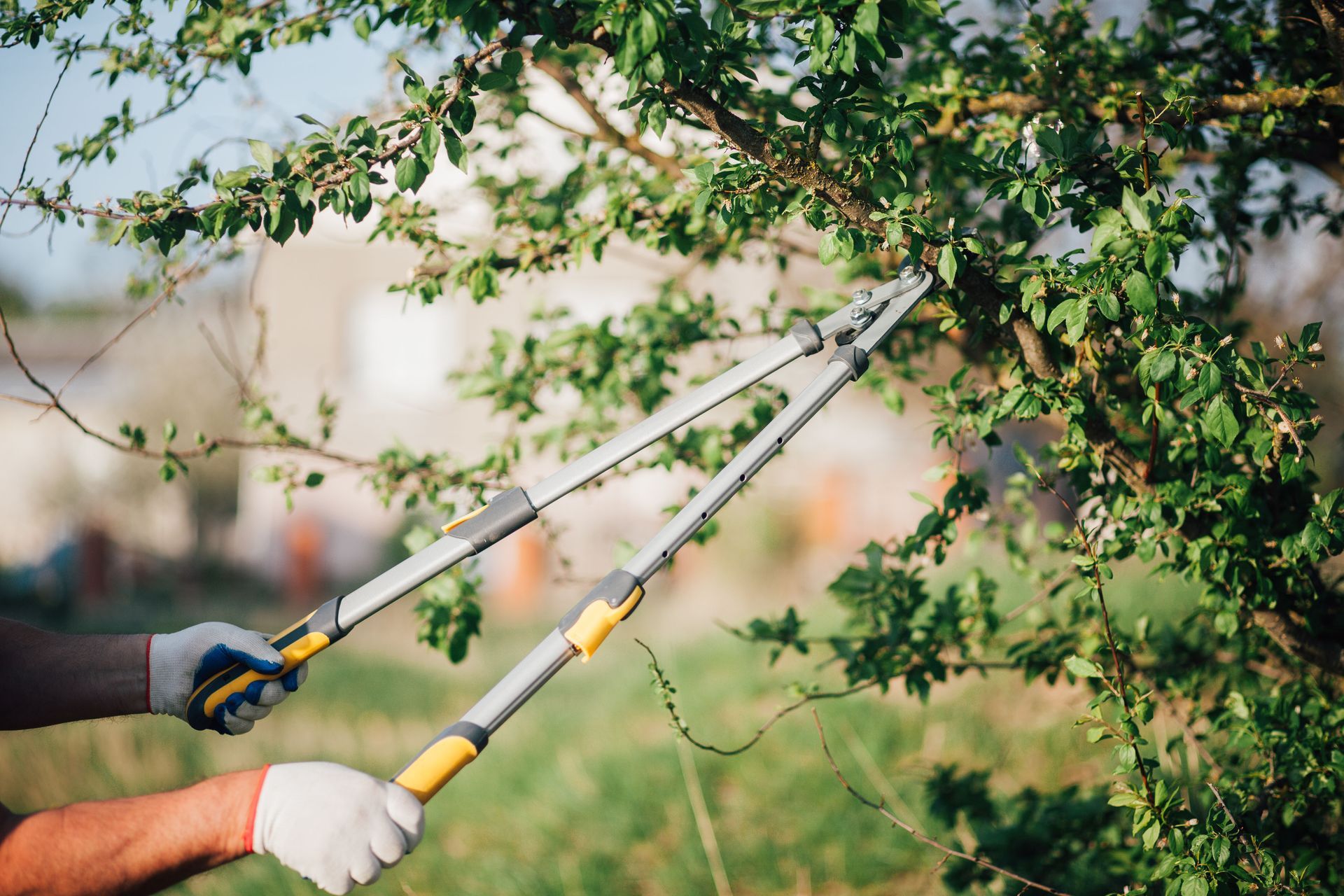
Maintaining an expansive canopy requires deliberate structural management so that tree health never compromises neighborhood safety. According to HomeGuide, routinely having mature trees pruned by professionals every three to five years supports their ongoing vitality while preserving sound structural branch architecture. Scheduled maintenance reduces weak branch unions, eliminates decaying deadwood, and encourages balanced growth that can withstand severe storm events. When heavy branches encroach upon high-voltage pathways, proactive maintenance becomes vital for public protection. Property owners must coordinate with a trusted tree removal service to address overgrowth before limbs create dangerous points of electrical contact with energized wires.
Recognize Overhead Hazards Along Power Corridors
Electric utility networks function through distribution systems that route electrical currents from municipal substations directly into residential neighborhoods. Because overhead wires carry live electrical currents, any tree limb that grows near them creates an immediate hazard for homes, property, and passersby. Distribution cables are vulnerable to direct physical contact with expanding branches, especially during adverse weather conditions when limbs become heavy with rain or ice. Without proactive trimming, dense canopies can obstruct line clearance pathways, apply physical tension to poles, and compromise electrical infrastructure across entire residential subdivisions.
Direct contact between living branches and live wires can spark sudden arcing, localized fires, and widespread neighborhood blackouts. Tree limbs contain moisture and conductive sap, making them effective conductors of high-voltage electricity under damp or humid conditions. Children climbing trees or homeowners attempting backyard yard care near energized cables face life-threatening electrical shock hazards. Addressing these perilous situations demands specialized clearance work from an experienced tree removal service that understands how to manage electrical line clearances safely without disrupting power continuity or endangering neighborhood properties.
Follow Safety Regulations and Utility Clearance Mandates
Federal safety organizations and regional utility regulators establish strict standards regarding vegetation clearance along overhead utility easements. Utility providers must abide by precise clearance corridors, routinely inspecting trees that could sway into power conductors during high-wind events. These safety regulations are designed to minimize unscheduled electrical outages while protecting infrastructure integrity and public safety. Regulatory mandates require that trimming operations near live lines follow strict technical protocols to avoid personal injury, electrocution, and structural devastation across residential neighborhoods.
Compliance with utility guidelines requires constant coordination between private property owners, municipal entities, and arboricultural contractors. Homeowners often feel conflicted when required clearance cuts alter the aesthetic symmetry of their cherished trees. Utility clearance crews must focus primarily on line safety rather than cosmetic beauty, which can leave trees looking unbalanced or severely cut back. Consulting an independent tree removal service enables homeowners to explore alternative pruning methods or controlled removal strategies that meet legal clearance requirements while respecting property aesthetics and long-term tree health.
Hire Qualified Arborists for Hazardous Line Clearance
Trimming or dismantling trees around energized wires is among the most hazardous jobs in modern tree care, requiring specialized vocational training. General landscaping contractors and homeowners lack the specialized electrical hazard awareness necessary to operate safely within proximity to live conductors. Certified arborists undergo extensive safety instruction to understand electrical drop zones, voltage conductivity, and safe approach distances. Entrusting these perilous overhead tasks to a licensed tree removal service ensures that certified experts handle high-risk cutting without endangering lives, surrounding landscapes, or local power grids.
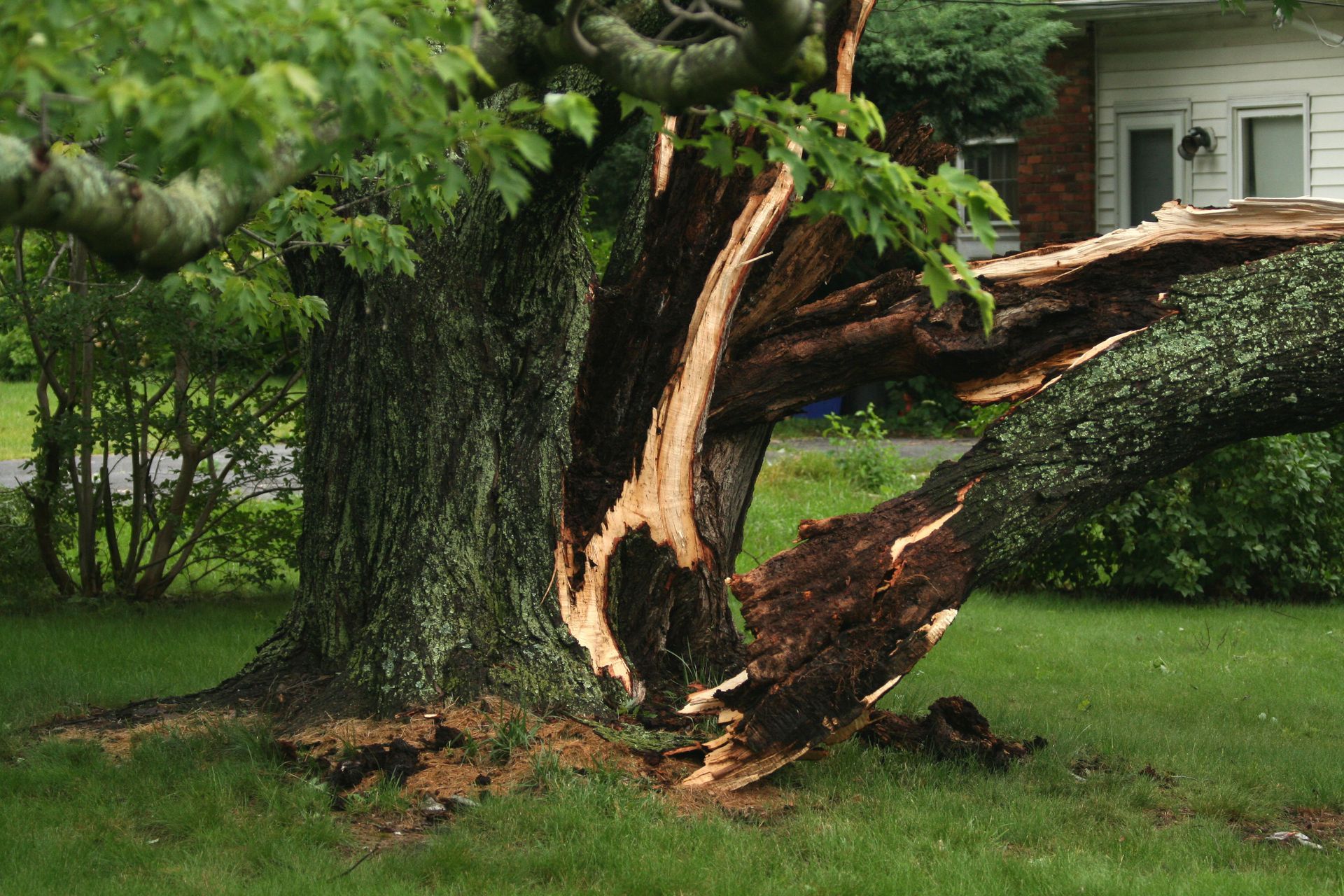
Beyond basic electrical safety, certified arborists possess great diagnostic skills to evaluate hidden tree rot, structural weaknesses, and root decay. Trees compromised by internal decay or fungal infestations are especially dangerous during heavy storms, as entire trunks can suddenly buckle across power lines. An arborist assesses whether a leaning or diseased tree can safely receive pruning to clear electrical corridors or if complete extraction is necessary. Working with a dedicated arboricultural provider provides homeowners with expert diagnostic insight and comprehensive hazard mitigation tailored to their specific landscape and local utility requirements.
Utilize Modern Equipment for Safe Canopy Trimming
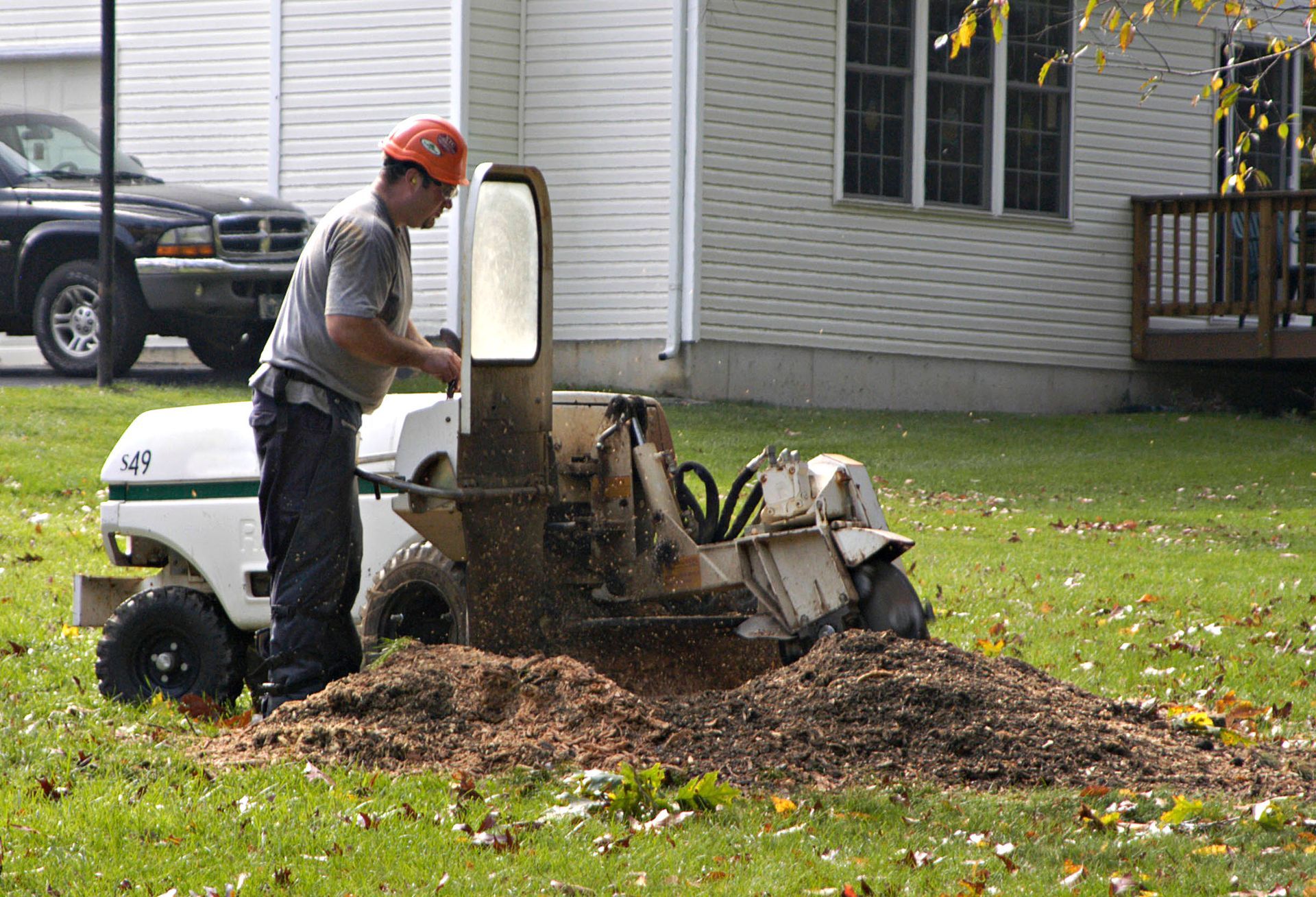
Safely cutting timber in tight utility easements requires specialized heavy machinery and insulated gear designed to prevent electrical conduction. Arborists rely on insulated bucket trucks, non-conductive fiberglass poles, and heavy-duty rigging systems to control the descent of heavy limbs near live wires. Specialized rigging equipment allows technicians to slice branches into manageable sections and guide each piece safely to the ground away from sensitive infrastructure. These technical precautions eliminate the danger of falling wood snapping wires or damaging adjacent roofs, fences, and vehicles.
Emergency scenarios following fierce windstorms or heavy blizzards demand rapid deployment of heavy machinery and skilled personnel. Fallen limbs entangled with live wires present lethal situations that municipal road crews cannot touch until utilities ground the affected wires. During such crises, an on-call tree removal service coordinates directly with local power companies to clear access roads and remove crushed canopies safely. Their rapid deployment and advanced machinery restore neighborhood power while preventing secondary electrical accidents in stressed communities during severe weather crises.
Promote Sustainable Management for Resilient Communities
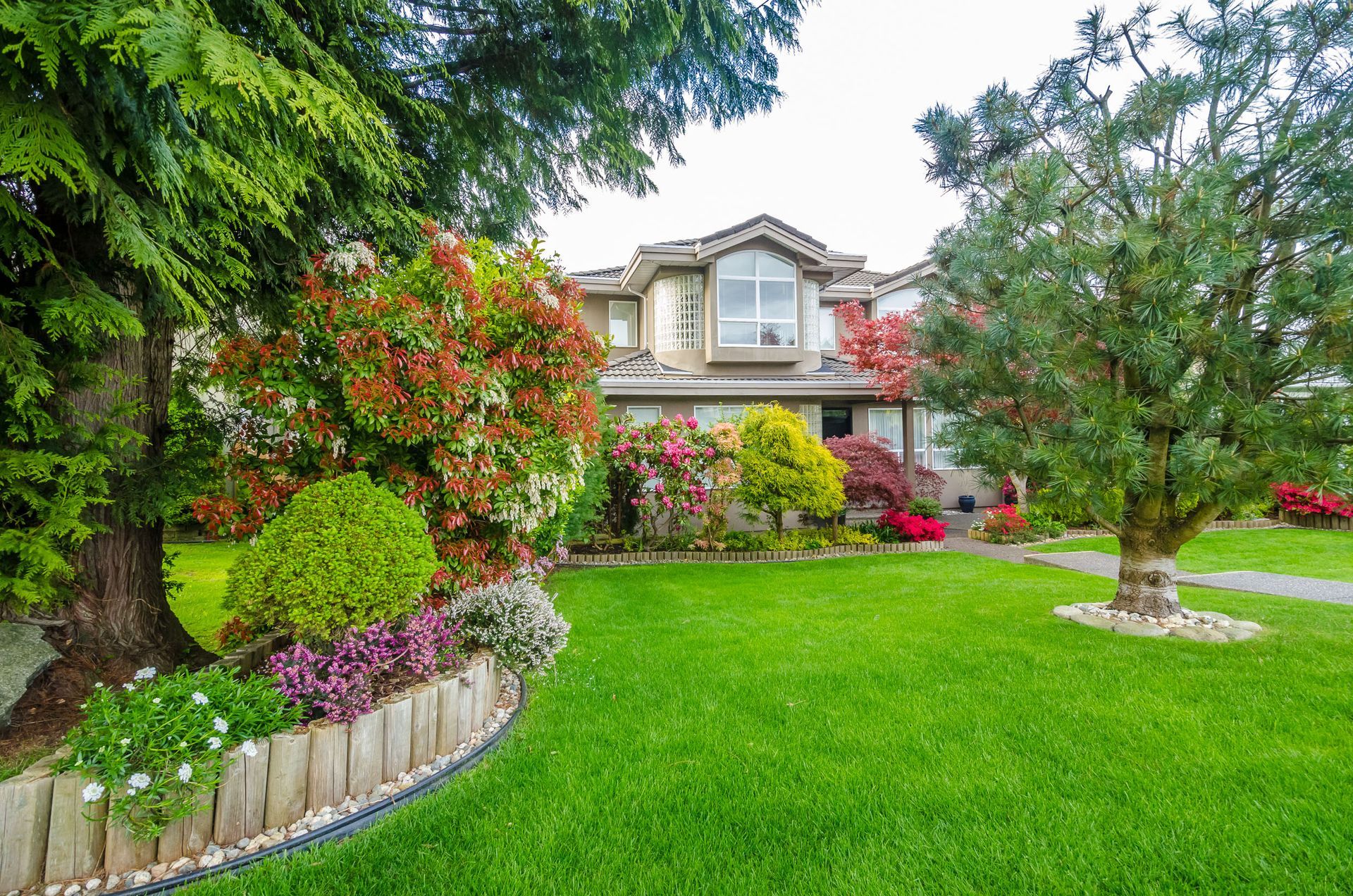
Long-term harmony between trees and utility systems begins with thoughtful species selection and strategic landscape architecture. Planting large-canopy species directly underneath utility lines inevitably leads to severe pruning or premature tree removal years later. Urban foresters advocate for planting smaller ornamental trees or slow-growing shrubs beneath power lines while reserving larger shade species for open backyard spaces. This intentional planting strategy preserves the lush greenery of the neighborhood without creating expensive line-clearance conflicts down the road.
Community-wide forestry initiatives also benefit from ongoing cooperation between neighborhood associations, property owners, and local vegetation specialists. Educating the public about safe planting zones and early hazard detection helps neighborhoods resolve tree issues long before power outages occur. When mature trees outgrow their safe boundaries, scheduling ongoing canopy care preserves both environmental benefits and neighborhood power reliability. Partnering with a reputable tree removal service empowers communities to cultivate vibrant, resilient urban canopies that live comfortably alongside critical municipal power grids.
Managing large trees near overhead power lines requires steady vigilance, sound arboricultural knowledge, and unwavering adherence to electrical safety protocols. Protecting both neighborhood canopies and regional power infrastructure is an ongoing responsibility that benefits everyone in the community. Reach out to us at Kono Tree Care today to schedule an inspection, and we will ensure that your landscape remains vibrant, reliable, and secure.