March 4, 2026
Maintaining a beautiful landscape is a point of pride for many homeowners, but there comes a time when a beloved oak or a towering pine becomes a liability rather than an asset. Whether a tree has succumbed to disease, suffered structural damage during a storm, or simply grown too close to your home’s foundation, the decision to proceed with a removal is never easy. However, understanding the gravity of the task is the first step toward a successful project. Tree removal is widely considered one of the most dangerous aspects of property maintenance because it involves heavy machinery, unpredictable physics, and high altitudes.
Assessing the Potential Hazards Effectively
Before any physical work begins, a comprehensive site assessment is mandatory to identify the unique challenges of your specific landscape. You must look upward to check for entangled power lines and downward to consider the stability of the soil and the proximity of underground utilities. A tree that looks sturdy on the outside might be hollow at its core, making its fall path almost impossible to predict without professional diagnostic tools. Homeowners often underestimate how much space is required for a safe drop zone, forgetting that a falling trunk can bounce or kick back in unexpected directions. Evaluating the lean of the tree and the distribution of its heavy canopy will give you a better idea of the natural forces at play during the process.
Beyond the physical structure of the plant, you must also consider the surrounding environment and the impact your actions will have on the ecosystem. Our forests and urban canopies are incredibly diverse and provide more than just shade and beauty to our neighborhoods. According to the Climate Adaptation Platform, beyond providing structural lumber from upwards of 5,000 different types of trees, the global canopy also offers more than 2,000 species that serve as vital sources for energy, nutrition, and pharmaceutical ingredients. While your primary focus may be on a single hazardous trunk, acknowledging the immense value and complexity of these living organisms underscores why tree removal should always be a last resort.
Utilizing the Proper Equipment Correctly
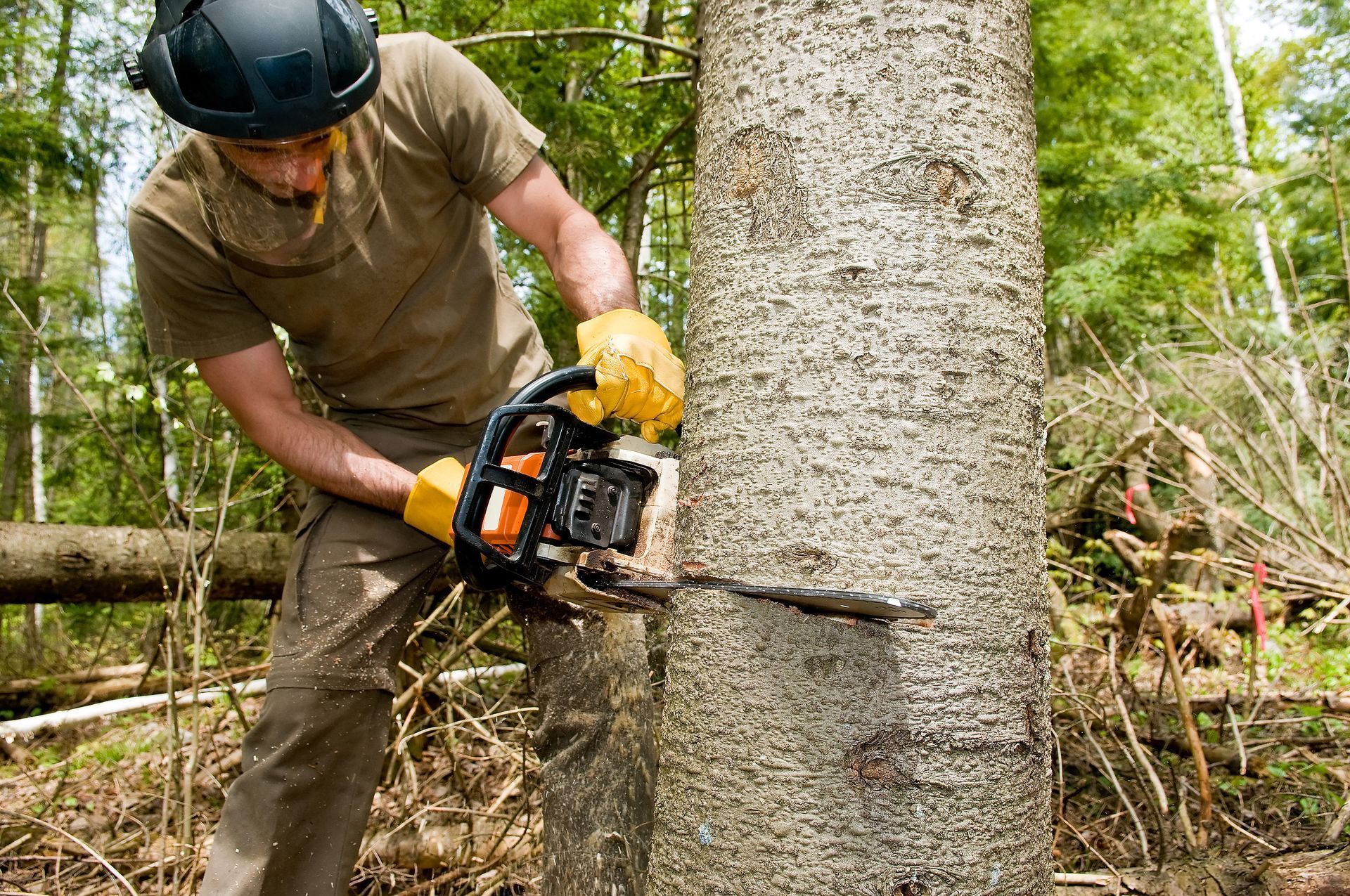
The difference between a successful project and a dangerous failure often comes down to the tools being used and the proficiency of the operator. Many homeowners attempt to save money by using consumer-grade chainsaws and weathered ropes, but professional-grade tree removal requires specialized gear designed for high-tension loads and precision cutting. Personal Protective Equipment, or PPE, is non-negotiable and includes ballistic nylon chaps, steel-toed boots, eye protection, and a hard hat with hearing protection. Using a dull blade or a saw that is too small for the diameter of the trunk can lead to kickbacks, which are the leading cause of chainsaw-related injuries in residential settings.
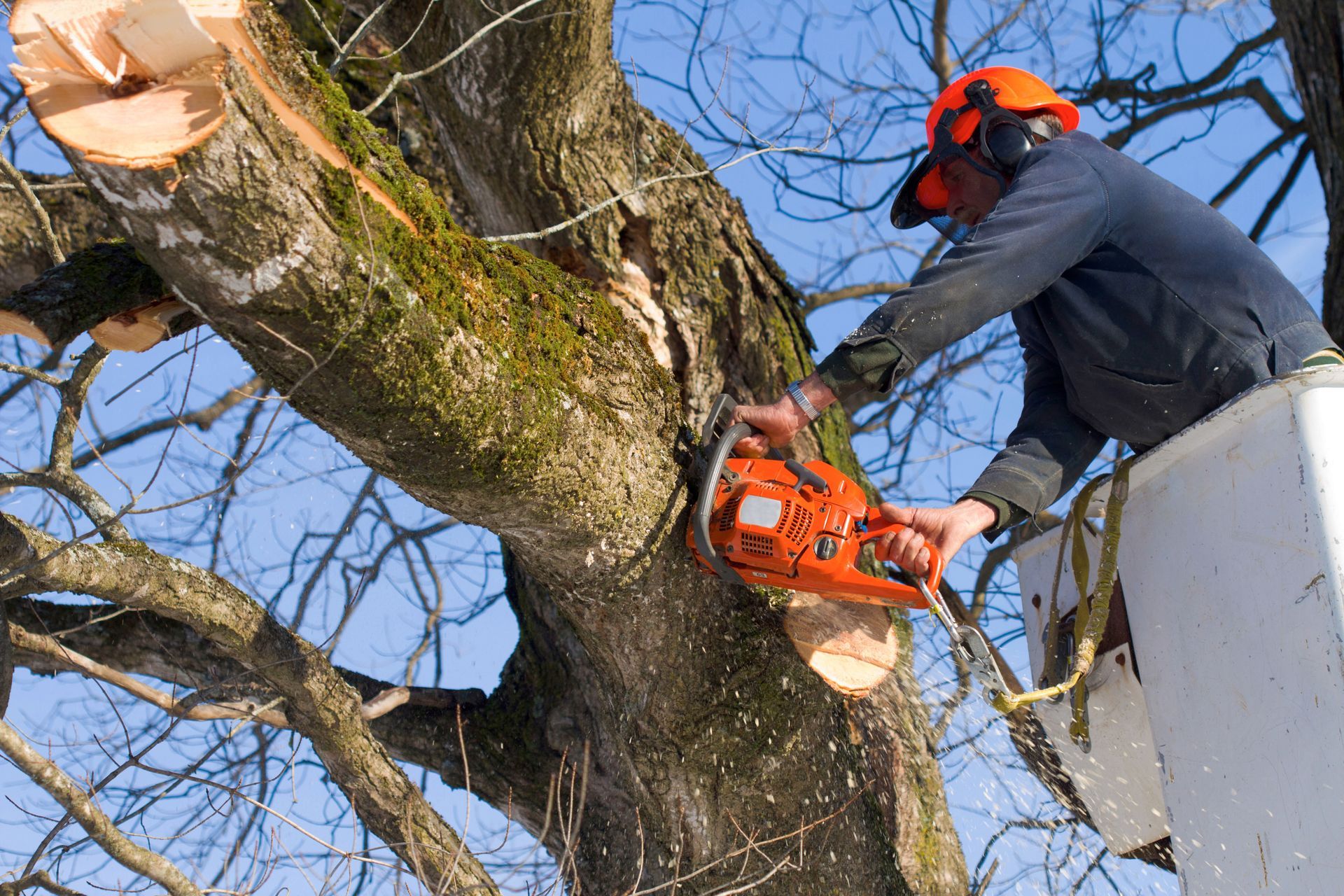
Furthermore, managing the descent of large limbs requires a sophisticated system of pulleys, carabiners, and high-strength rigging lines. Simply cutting a branch and letting it fall is a recipe for property damage, as even a medium-sized limb can weigh several hundred pounds and gather lethal momentum as it drops. Professional teams use rigging techniques to "float" pieces down safely, avoiding impact with your roof or your neighbor's fence. If you don't have access to professional climbing harnesses or the training to use them, attempting to work at height is an unacceptable risk.
Identifying the Signs of Instability Clearly
Recognizing when a tree has reached its breaking point is a skill that combines biology with structural engineering. You should regularly inspect your trees for "V-shaped" crotches, which are weaker than "U-shaped" ones and more prone to splitting during high winds. Fungal growth at the base of the trunk, such as mushrooms or conks, often indicates internal heartwood rot, which compromises the tree’s ability to stand upright.
Another critical factor to watch for is "heaving" soil at the base of the tree, which suggests that the root system is no longer anchored firmly and the tree may be in the process of tipping over. This is particularly common after heavy rains or significant storms that saturate the ground and add weight to the canopy. If you notice a sudden change in the lean of a tree or see daylight through the root flare where there used to be dirt, the situation is a localized emergency. Understanding these warning signs allows you to act proactively rather than reactively.
Following the Established Safety Protocols Consistently
Consistency is the hallmark of safety in the arboriculture industry, and cutting corners is where most accidents occur. This means establishing a clear communication system between everyone on the ground and anyone working in the canopy. Using hand signals or two-way radios ensures that no one wanders into the fall zone while a cut is being made. You must also implement a "two-tree" rule, which dictates that no one should be within a distance of at least two tree lengths of the one being worked on unless they're directly involved in the felling process.
In addition to ground safety, you must adhere to proper cutting techniques such as the open-face notch and the use of felling wedges. These techniques provide the operator with the maximum amount of control over the direction and speed of the fall. Amateur mistakes, like the "beavering" technique where a tree is simply hacked around the circumference, lead to "barber-chairing," where the trunk splits vertically and kicks back with enough force to be fatal. Professional tree removal relies on the "hinge" of the wood to guide the plant to the ground safely.
Evaluating the Need for Professional Assistance Wisely
While the DIY spirit is admirable for painting a room or planting a garden, complex arboriculture often demands a level of expertise that goes beyond the average homeowner’s capabilities. A Certified Arborist brings years of training in physics, biology, and safety management to your property. They're also backed by comprehensive insurance policies that protect you from liability should an accident occur during the tree removal process. When you hire a professional service, you aren't just paying for the labor; you're paying for the peace of mind that comes with knowing the job will be done without damaging your home or risking lives.
Choosing to bring in experts is especially important when dealing with trees that are near power lines or overhanging your home. Utility companies have strict regulations regarding who can work near their lines, and a single mistake can result in widespread power outages or electrocution. Professionals also have access to heavy machinery like cranes and bucket trucks, which allow them to dismantle a tree piece-by-piece from the top down, a method that is significantly safer in tight urban spaces. Evaluating your own limits is a sign of wisdom, not weakness.
Whether you're dealing with a single storm-damaged limb or an entire lot that needs clearing, the principles of safety remain the same. Always prioritize the well-being of people and structures over speed or cost-savings. A well-managed canopy is a sign of a healthy and safe home environment, and it's a legacy that benefits the entire community. As you look toward your next outdoor project, remember that you don't have to face the daunting task of dangerous yard work alone. If you're ready to ensure your property is both beautiful and safe, contact Kono Tree Care today for a professional consultation and expert tree removal services.